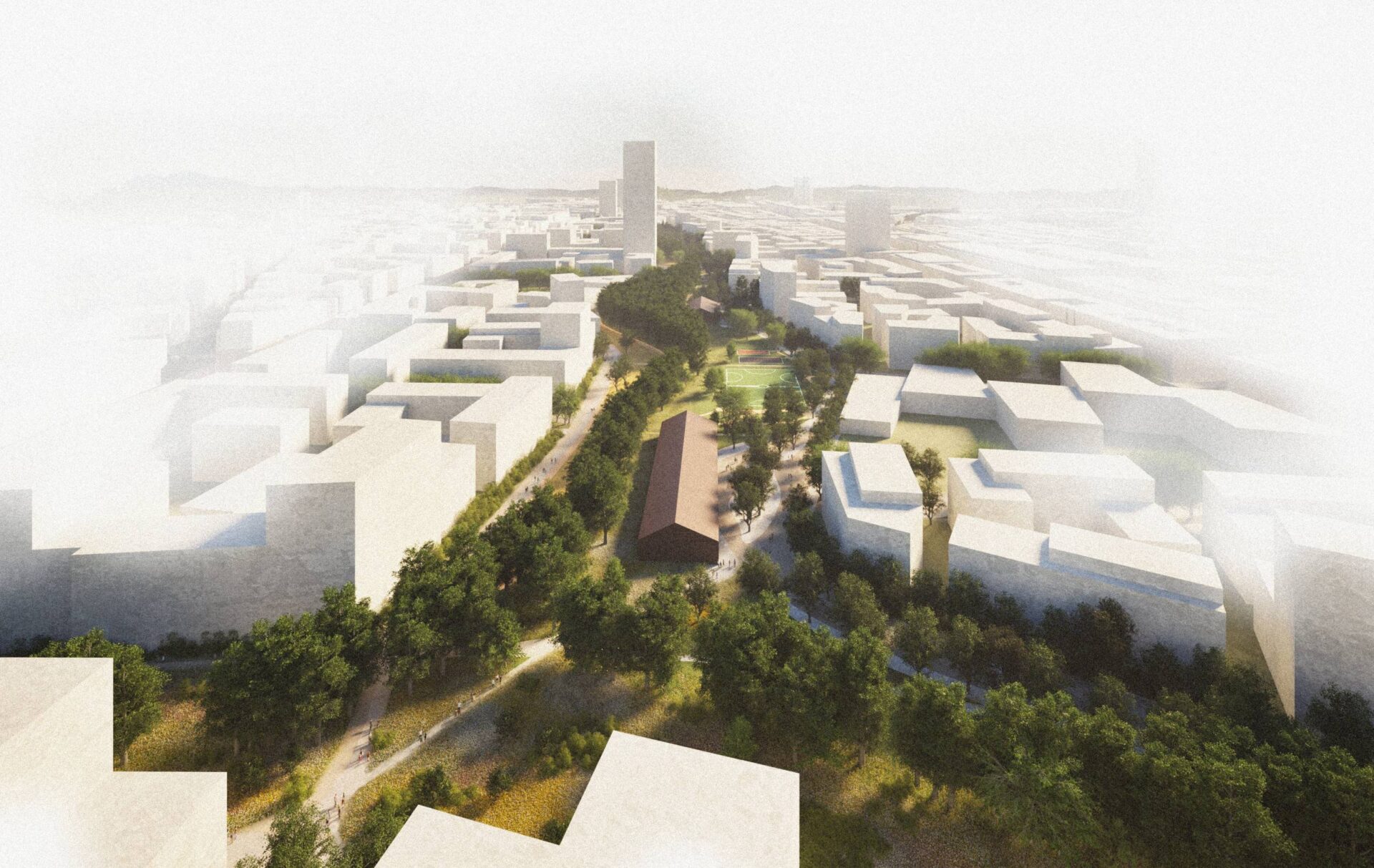
Nordwestbahnhof outdoor spaces, Wien IntroductionThe Nordwestbahnhof Wien landscape masterplan tells a layered and complex story about the area. Originally part of a river system, the site was reshaped by the regulation of the Danube and later transformed into a strategic railway infrastructure hub.During the Second World War, the station building was used as a propaganda exhibition space, and a forced labor camp was established on the site. After the war, the area continued to function as a freight transport hub until operations definitively ceased in 2021.Today, the 44-hectare Nordwestbahnhof site represents a unique opportunity for urban transformation. The Nordwestbahnhof Vienna landscape masterplan supports the...
Areal Obertor Hofgestaltung, Winterthur (CH) HISTORY OF URBAN DEVELOPMENTThe project area is located in the Neustadt district of Winterthur, which developed from the mid-14th century onwards, when the former city walls along the moat were dismantled and the urban perimeter expanded eastward.The new district was characterized by residential buildings intended for the working class, arranged along Holderstrasse, Neustadt, Obertor, and Oberer Graben. Within the urban blocks, courtyards were established and used as kitchen gardens and domestic green spaces, playing a fundamental role in the everyday life of residents.In the Obertor area, these courtyards remained important communal green spaces within the dense fabric of the historic...
The Garden of St. Francis The project is part of a series of interventions developed around the theme of Nature and the enhancement of the historical, artistic and spiritual heritage of the Monumental Complex of Santa Croce in Florence, the world's largest Franciscan church, aimed at developing and increasing the usability of some parts of the complex.The project consists of the realization, in the apsidal yard, of a botanical exhibition that tells the story of the garden of St. Francis, and in particular the uniqueness of the Saint's thought with respect to the plant world, made with botanical species dear to him.The display is enriched...
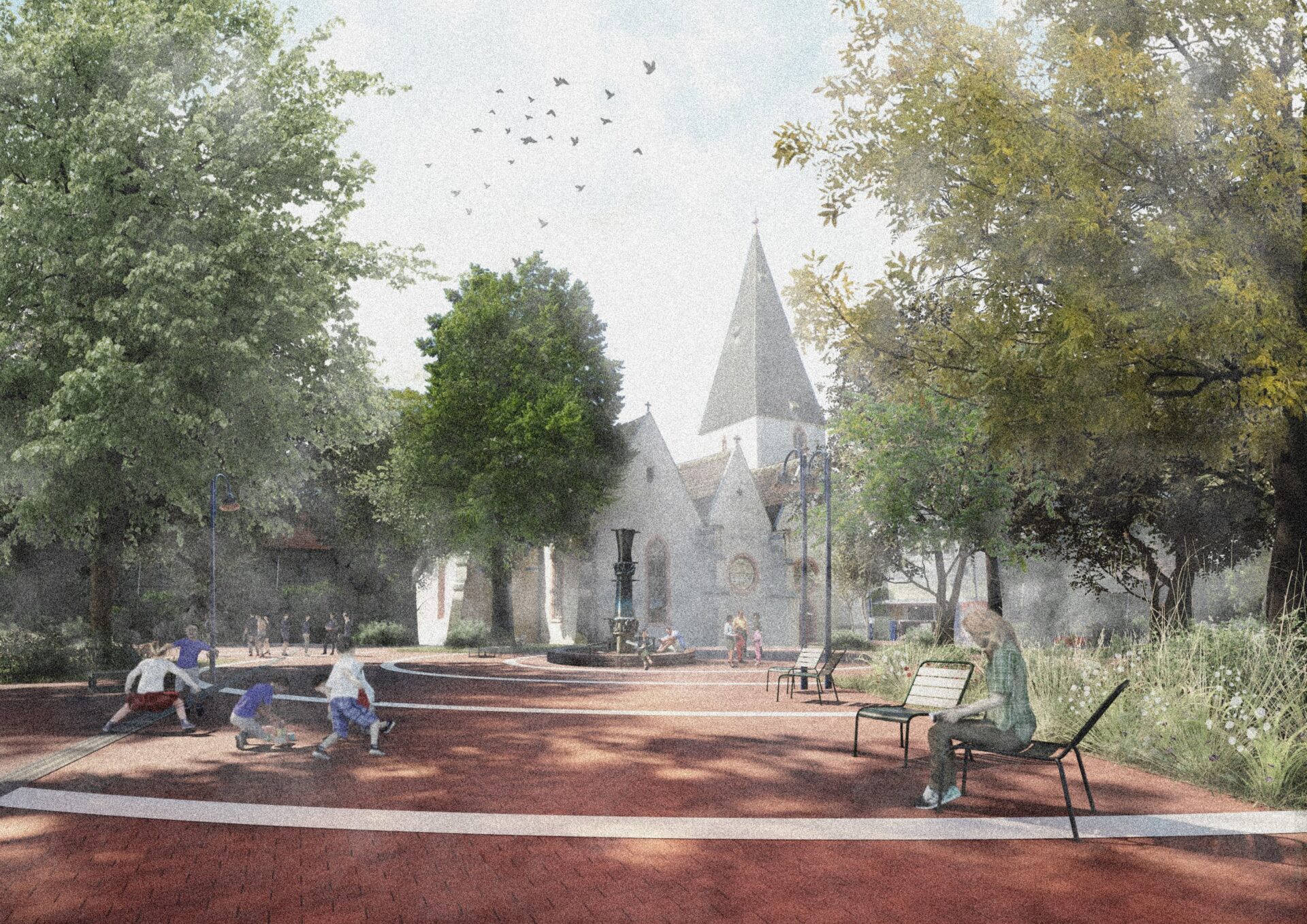
Redevelopment of Walther-Bringolf-Platz in Schaffhausen The main challenge in redesigning Piazza Walther Bringolf was to integrate the historical heritage, the complex urban structure, and the new needs of the citizens with a sustainability-focused approach. After careful analysis, we decided to address these aspects with a clear and straightforward plan.Connection to the Urban Context:The square will harmonize stylistically with the surrounding streets and squares. For this reason, we will retain the quartz stone paving as a structural element within the intervention area.Visual Impact and Identity:To meet both climate and population needs while giving the square a strong visual identity, a circular gravel surface will be created....
Creative Hangars Livorno The redevelopment project "Hangar Creativi di Livorno" for the area between Via C. Meyer, Via dei Cavalleggeri, and San J. in Acquavia places public space at the heart of the initiative, aiming to make it the focal point of a renewed urban connection.The project continues the existing urban fabric, enhancing its landscape character and creating a direct relational axis between the historic Villa Mimbelli and the seafront, one of Livorno's most iconic locations, thereby helping to establish the area as a vibrant cultural and artistic hub.The park has been designed as a multifunctional green space, capable of hosting events in...
“Marktplatz” – Bergstraße – Lange Straße Urban Regeneration The town of Lage owes its origin and development to brick production, supported by its location along the Bega River and the abundance of clay resources. From the 18th century onwards, widespread poverty led many inhabitants to work as itinerant brickmakers (Wanderziegler), establishing Lage as an important organizational center for this activity. The traditional winter market, the Mäckelmarkt, marked the moment when employment contracts for the following year were negotiated. This tradition has deeply shaped the town’s identity, which remains strongly tied to brick as a defining material, visible in historic buildings, paving, and public spaces. This cultural legacy continues...